Kufeah grows... story by story

Browse content
Explore memory from your browser
Browse Kufeah's published sections directly: thobes, recipes, cities, customs, seasons, and stories, without needing to download the app.
Browse Kufeah's published sections directly: thobes, recipes, cities, customs, seasons, and stories, without needing to download the app.
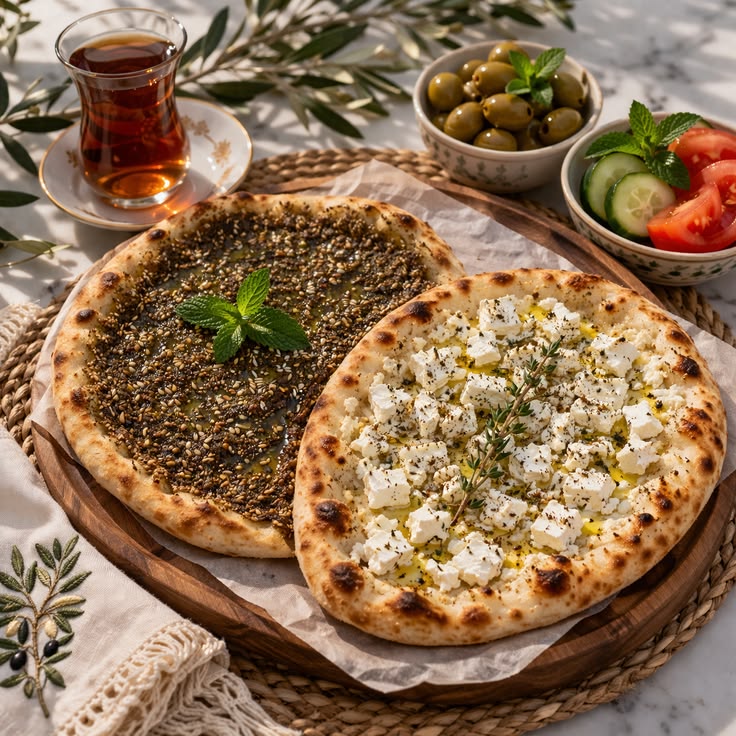
Traditional dishes with family and cultural context.
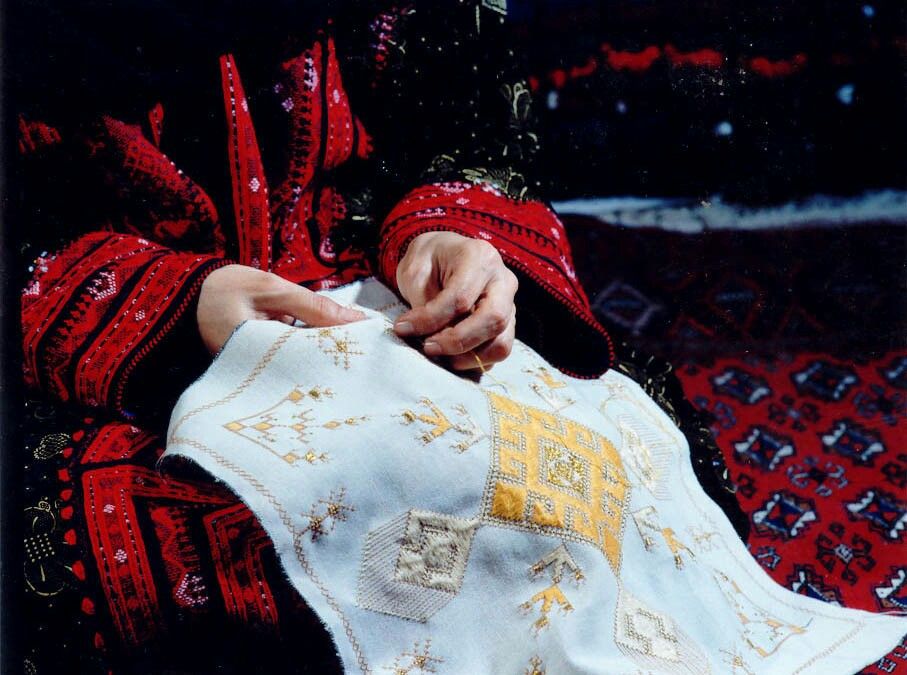
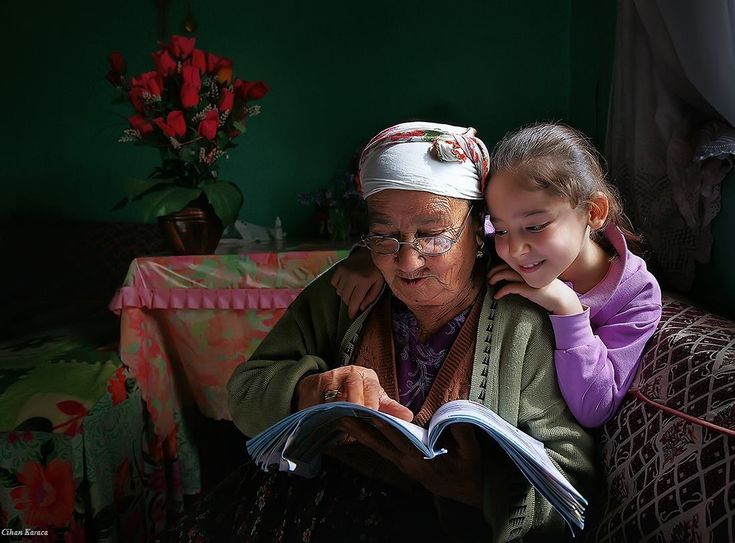
The role of Palestinian women in preserving customs and meanings, and passing them from one generation to the next through everyday life within the home.
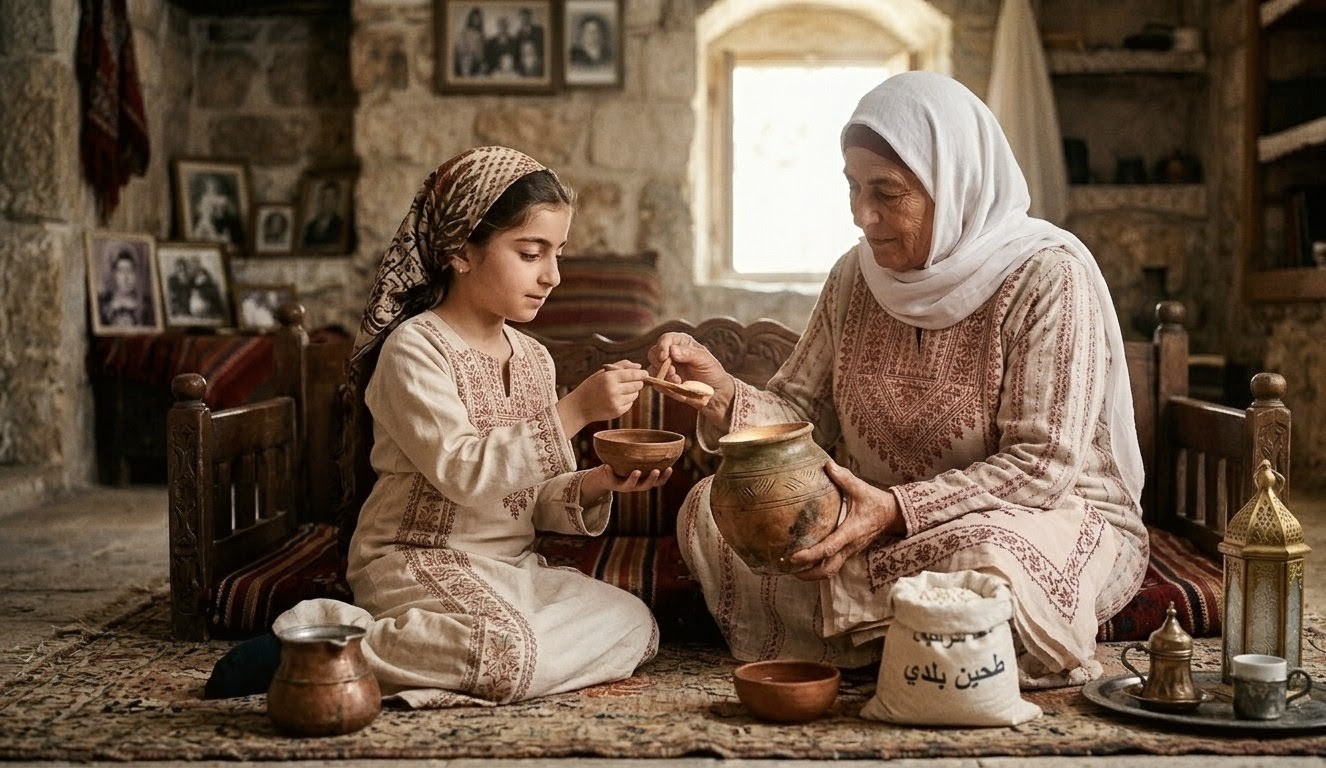
From the hand of the grandmother to the heart of exile; A narrative journey searching for the secret of the 'living yeast' that baked our souls and taught us that blessing is in what remains, not in what is eaten
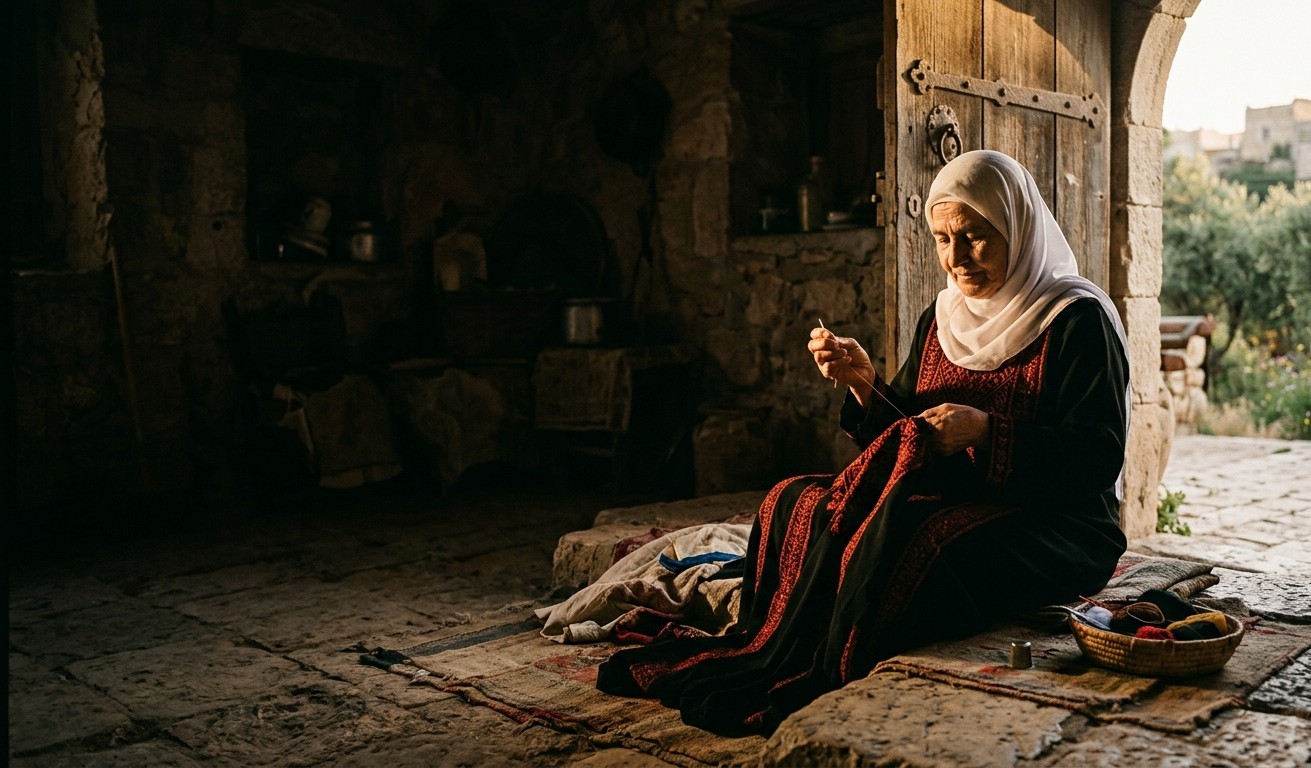
A tribute to the women who hold up the heavens when the foundations crumble; a tale of Palestinian "Shatara" (resourcefulness) that kneads dignity from scarcity and breathes life from the ashes of crisis.
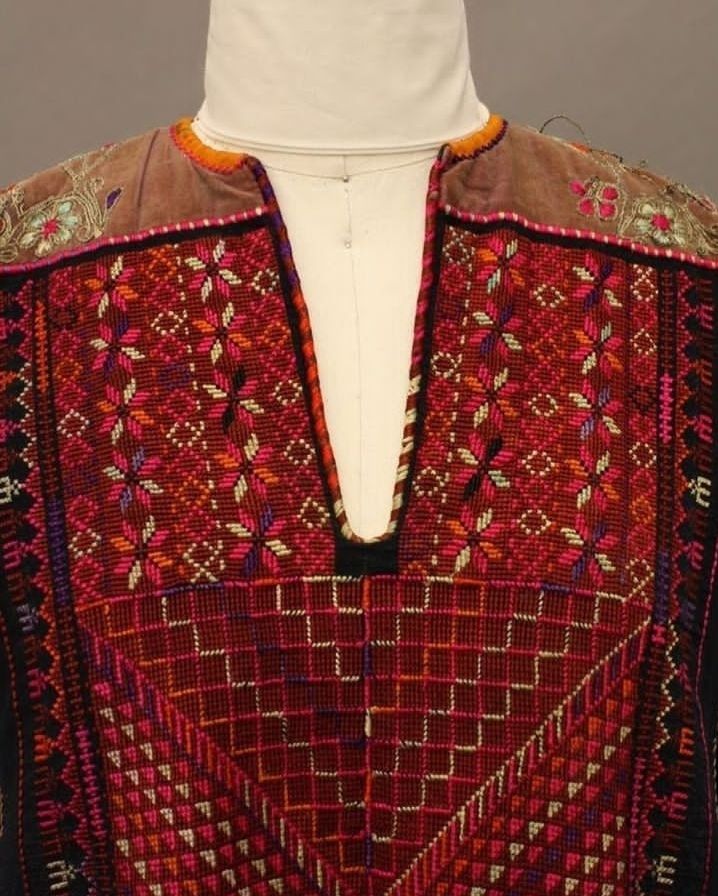
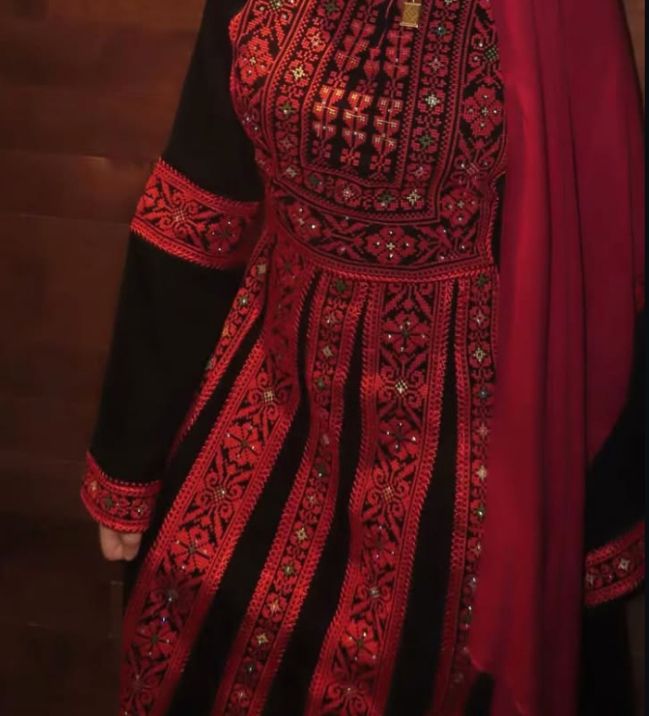
The Hebron thobe is a southern Palestinian dress known for a practical yet elegant character. Embroidery often uses strong tones (deep red/black) with repeated geometric and floral motifs across the chest panel, sleeves, and hem.
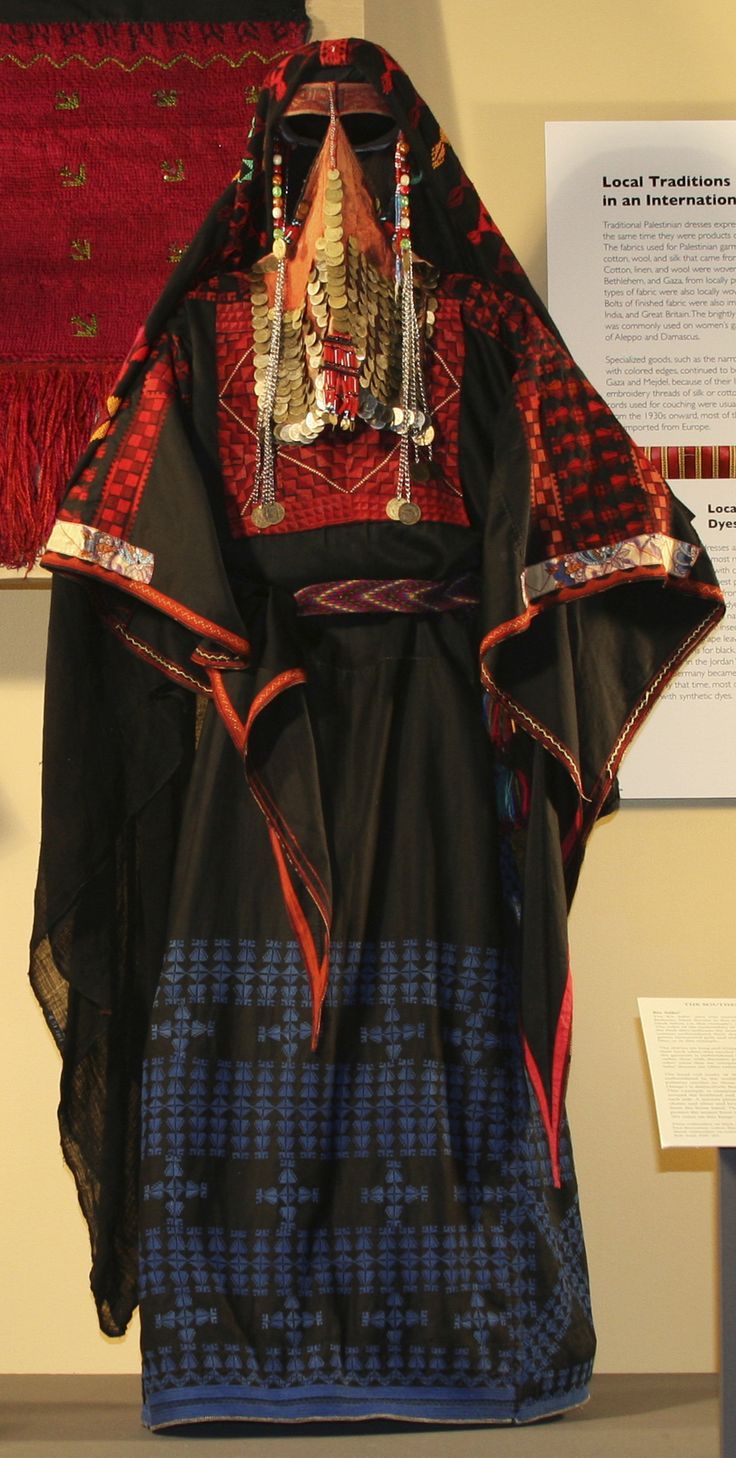
The Beer Sheba (Negev) thobe reflects the desert environment of southern Palestine. Traditionally, red could be associated with bridal wear, while blue was linked to widows. The dress is often made from heavy black cotton or linen, designed wide and loose for desert life. It is densely embroidered with silk threads using geometric motifs such as stars and triangles. It features very wide sleeves known as “mardan” and a broad embroidered hem. It is also associated with a face veil (burqa) decorated with gold and silver coins, used as both adornment and protection from the desert sun. The Beer Sheba thobe stands as a symbol of steadfastness and a documented heritage of the Negev.
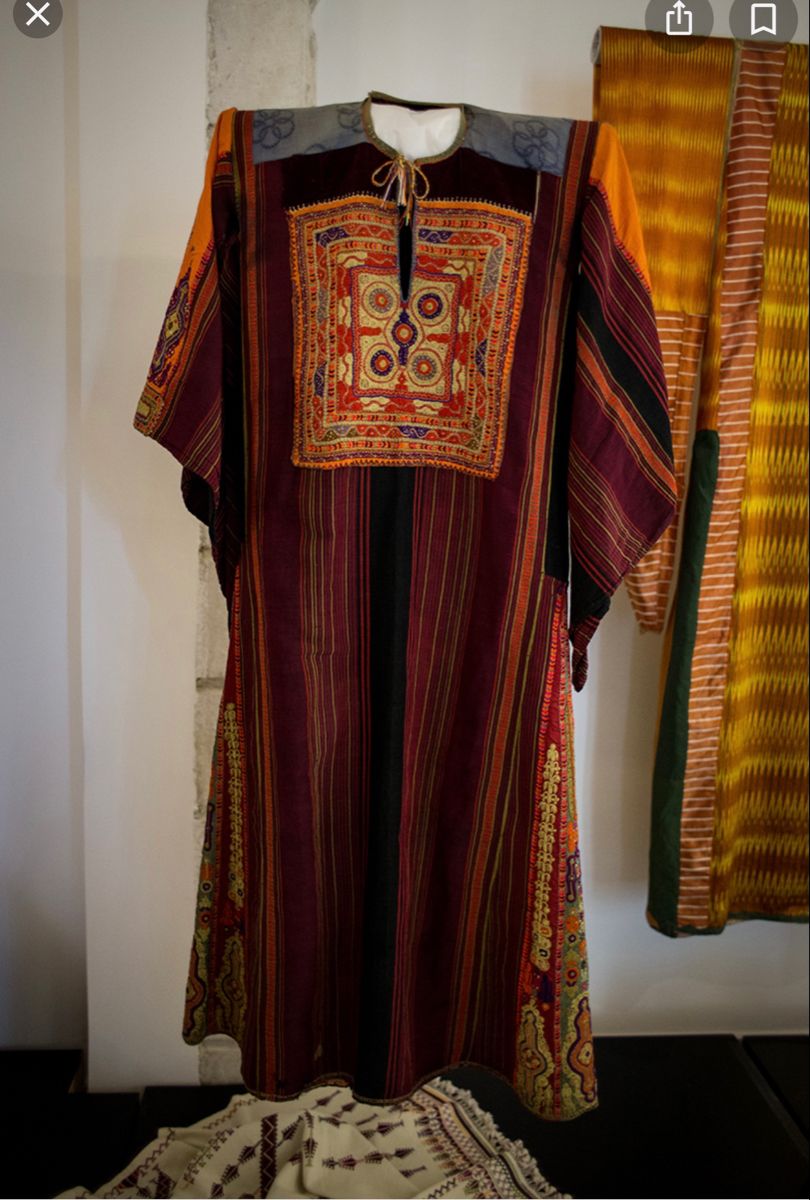
The Jerusalem thobe is one of the most famous Palestinian dresses, known for rich and intricate embroidery telling the Holy City’s story across generations.
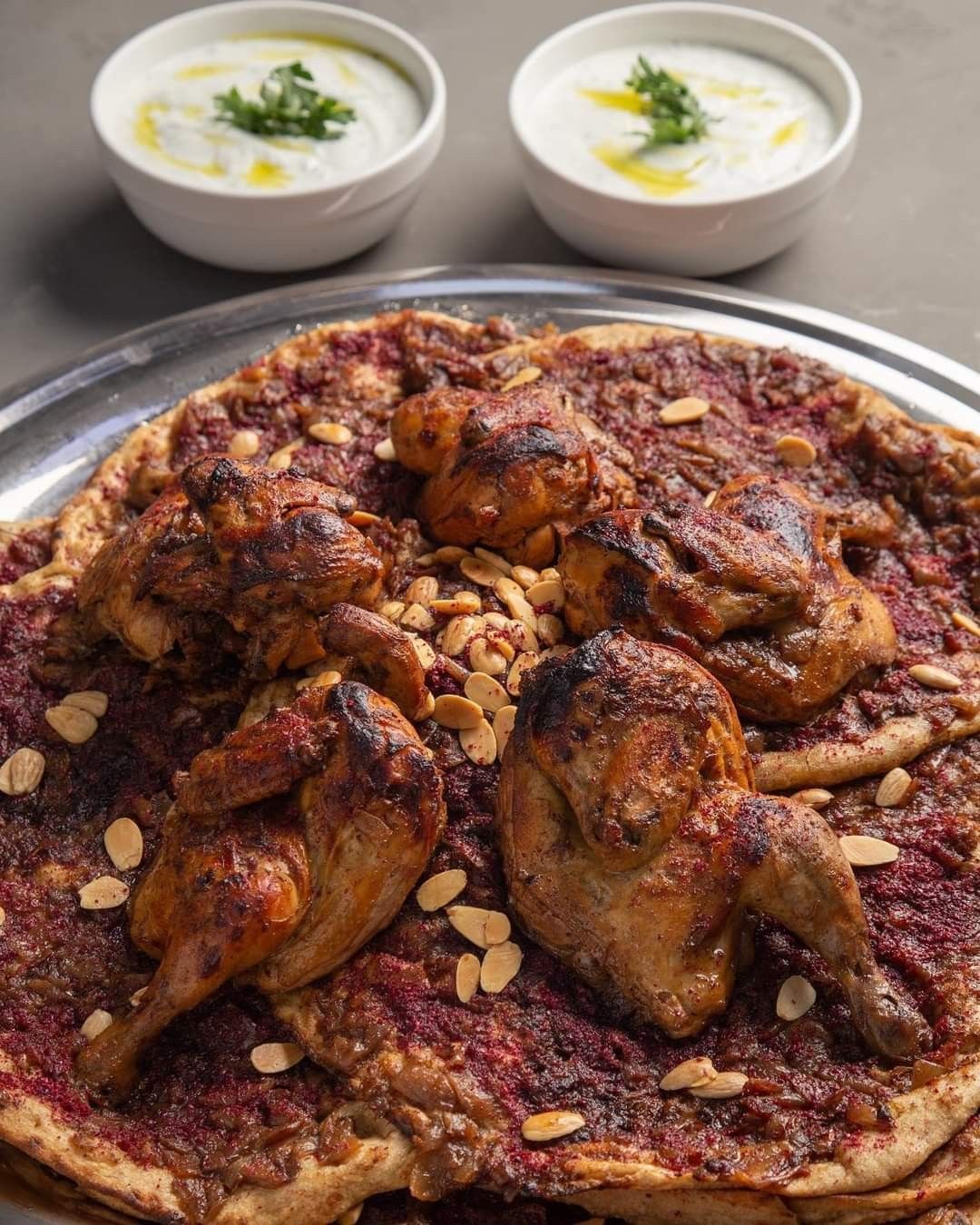
Musakhan is one of the most loved Palestinian dishes for all ages. It brings together flavorful roasted chicken and traditional flatbread, along with rich onion-sumac topping and other ingredients. It is commonly served at family gatherings and weekend feasts, and every Palestinian mother has her own special touch.
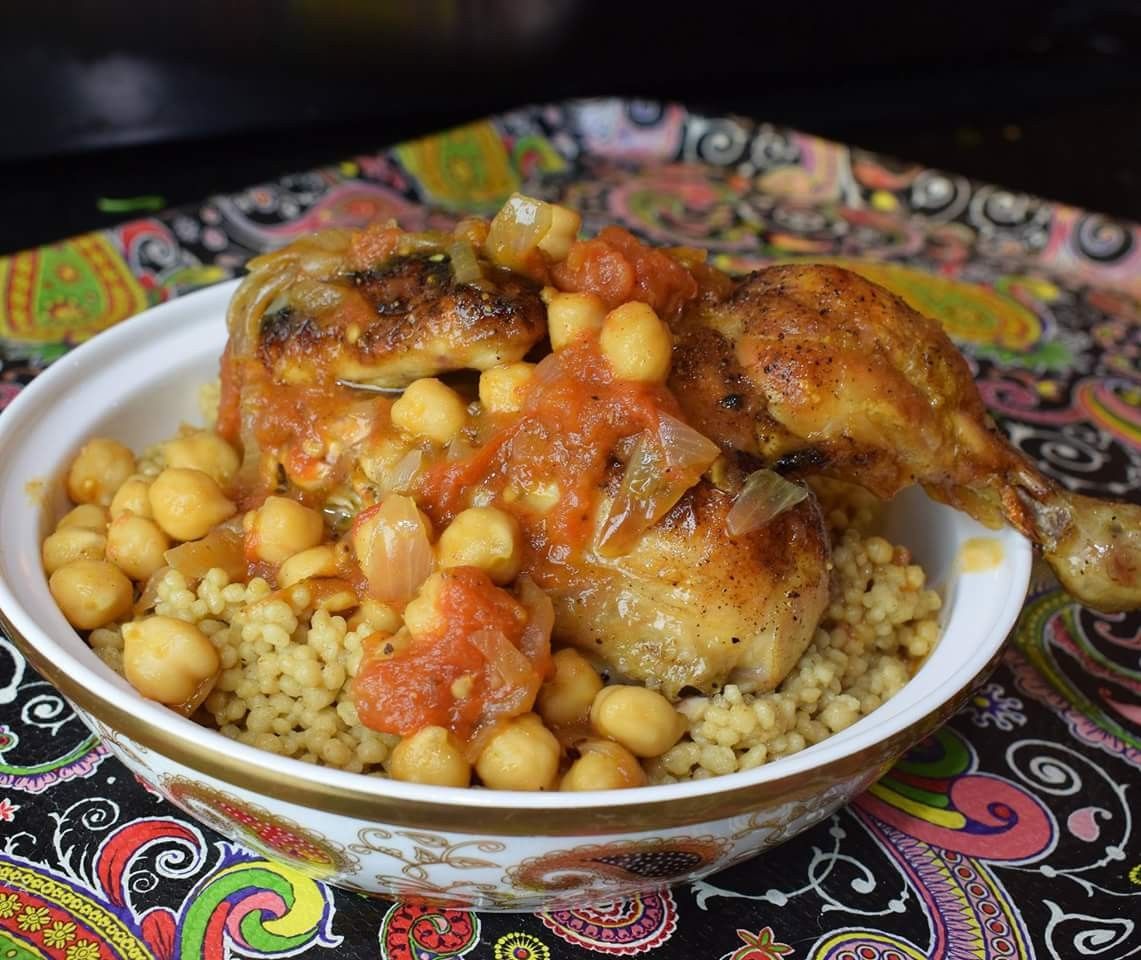
A distinctive traditional dish perfect for family gatherings and special occasions. It requires effort and teamwork, made from hand-rolled wheat granules and served with cooked chicken or meat.
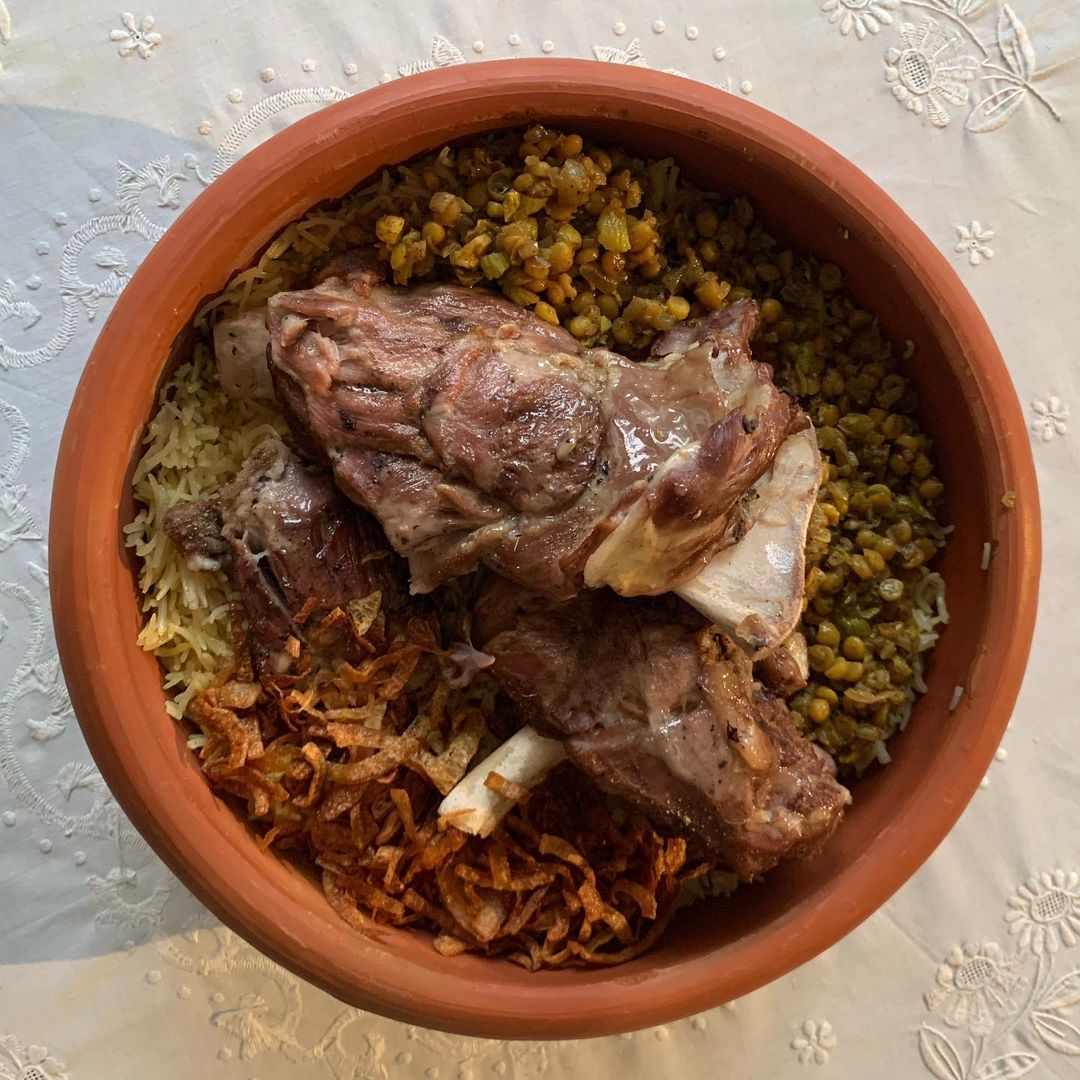
Palestinian Qidra is one of the most beloved traditional dishes. It is a unique blend of roasted and steamed cooking, prepared in a clay pot at high heat. This heritage dish is commonly served at gatherings and family feasts, creating a warm and welcoming atmosphere.
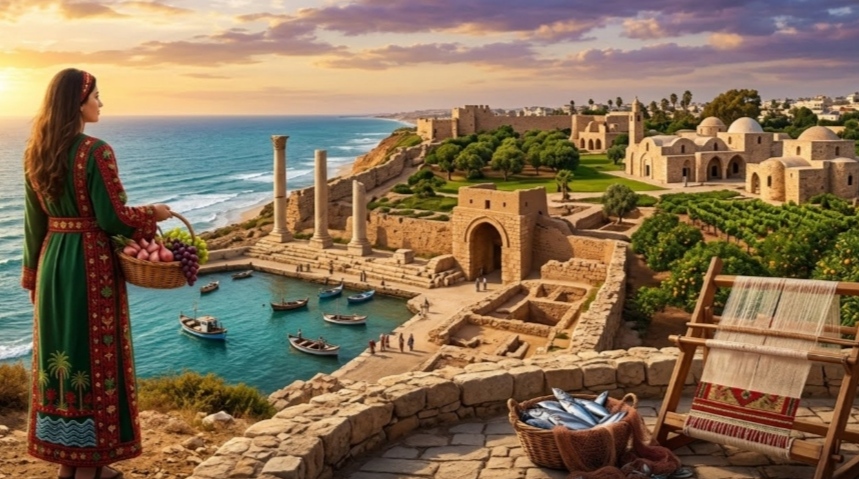
Where Canaanite stone meets the eternal whisper of the Mediterranean.
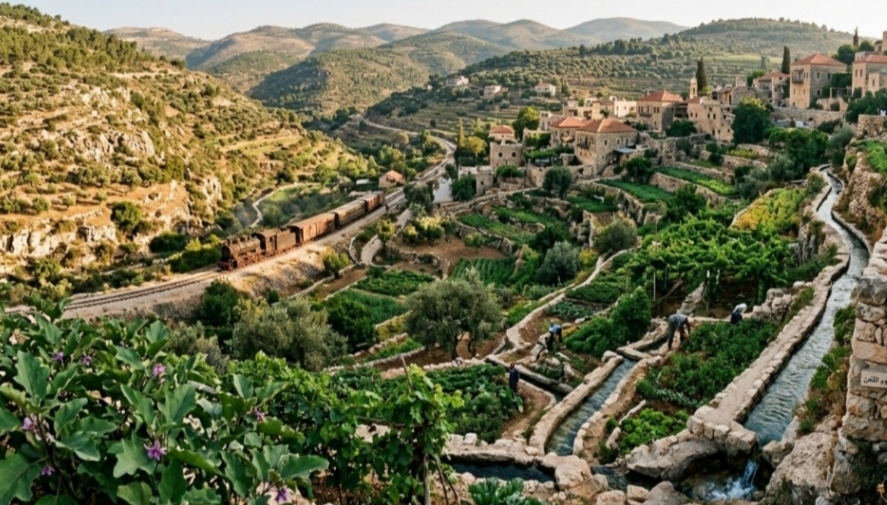
Carving Eternity into the Slopes of Battir
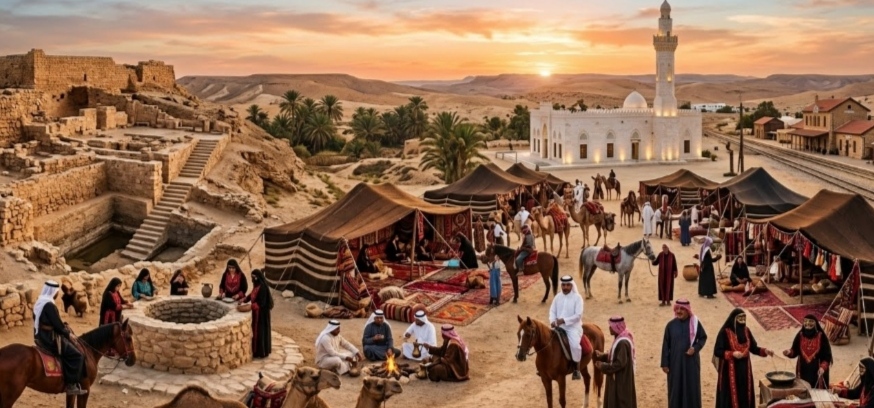
A sanctuary of stone, soil, and the warm hospitality of the southern wind.