Textile industry
It is one of the oldest industries in human history, and remains to this day one of the most important economic sectors in the world.
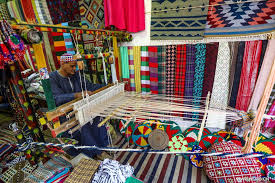
Overview
It is one of the most famous types of handwoven textiles that many Arab countries are famous for. It is everything that is made and woven from thread and needle, such as crochet, weaving and crafting fabrics, embroidery and sewing. It also includes all textiles that are embroidered for decoration and ornamentation, whether they are garments to be worn for sale, toys for children, or sheets to decorate tables and homes.
The stages of textile manufacturing.
- Obtaining fibers: (synthetic fibers, natural fibers).
- Spinning: (converting the fibers into yarn using spinning machines).
- Weaving or knitting: (interlacing the yarns together to form fabric).
The Importance of the Textile Industry.
- 1Economic Importance: It provides employment opportunities, increases individual and community income, and boosts national income.
- 2Social Importance: It fulfills basic human needs, namely clothing, and supports small industries and handicrafts.
- 3Industrial Importance: Textiles are used in other industries such as furniture, automobiles, and the medical sector (medical textiles).
Advantages of the textile industry.
Flexibility in production, ranging from handicrafts to large factories. Exportability between countries due to its lightweight nature and reduced weight compared to other industries. Potential for development and innovation. A wide variety of products.