The Warmth of Contentment
How an Old Palestinian Saying Teaches Peace of Mind in a World Obsessed With Appearances
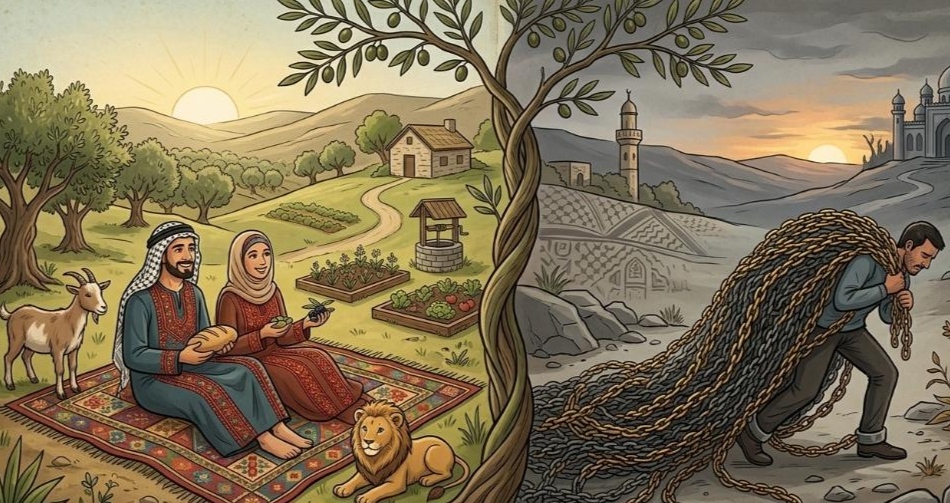
Stretch Your Legs According to Your Blanket
At first glance, it may sound like a simple call for modest living, yet its deeper meaning reaches far beyond frugality. The proverb carries a philosophy of balance, self-respect, and emotional peace — a reminder that comfort in life comes not from excess, but from living honestly within one’s means.
The Human Meaning Behind the Proverb
This saying encourages people to remain truthful with themselves and realistic about their circumstances. Life, in this understanding, is not a race against others; it is a personal journey, shaped differently for every individual. The “blanket” symbolizes the resources we possess — whether financial means, emotional energy, or personal capacity — while “stretching the legs” represents our desires, expectations, and way of living. When a person lives within their limits, they protect themselves from exhaustion, debt, and the endless anxiety of trying to satisfy society’s gaze. In return, they gain something far more valuable: dignity, inner calm, and peace of mind.
When Is This Proverb Commonly Used?
1. During Wedding or Celebration Planning The proverb is often said to someone preparing for an expensive wedding or social event, reminding them not to burden themselves with debt merely for the sake of appearances or social prestige. 2. During Shopping or Major Purchases It may also be used when someone wishes to buy something beyond their financial ability — a gentle warning against impulsive spending. 3. In Raising Children Parents frequently repeat this proverb to teach children contentment and responsibility, emphasizing that a person’s worth lies not in what they own, but in how wisely they manage their life. 4. Before Important Life Decisions The saying is also used when discussing decisions that require money, effort, or emotional energy that may not currently be available.
Story: A Borrowed Suit A Quiet Life Disturbed by Appearances
Sa‘eed worked as a modest employee in a small printing press. He lived a simple but decent life with his wife and two children. Their days passed peacefully until the wedding of his wealthy cousin drew near. Sa‘eed’s wife became embarrassed at the thought of attending the celebration in her ordinary clothes. She insisted that he buy her an expensive dress and rent a luxurious car so they could “save face” in front of the relatives. Unable to refuse her, Sa‘eed borrowed a large sum of money from his coworkers.
One Night of Luxury
On the night of the wedding, they looked like wealthy people. But Sa‘eed did not enjoy a single moment of it. Every time he glanced at the elegant dress, he remembered the debts that would haunt him for months afterward. The celebration ended, the lights faded, and reality returned home with them.
The Price of Pretending
Only days later, the family refrigerator broke down. Sa‘eed searched his pockets and discovered he did not have enough money even to repair it. To cover the debts, he began working exhausting extra hours until fatigue started showing on his face and body. One evening, his wife sat beside him filled with regret. “We ate and celebrated on borrowed money for the sake of one single night,” she whispered sadly. Sa‘eed gently placed his hand on her shoulder and replied: “My wife… if we had stretched our legs according to our blanket, we would be sleeping peacefully tonight. The blanket of contentment keeps a person warm, but the clothing of appearances is cold and never truly covers its owner.”
The Warmth They Chose
From that day forward, they made a promise to build their happiness upon what they truly possessed — not upon the image they tried to project to others. And in their small home, peace slowly returned again.