Customs and Traditions
Wedding Traditions and Customs
A collection of customs and traditions practiced in Palestinian weddings and passed down from one generation to another.
Overview
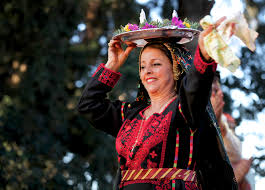
Wedding customs and traditions vary from one place to another. In Palestinian society, wedding traditions include a variety of social and cultural practices that reflect the spirit of family and community cooperation. Although some details may differ between cities and regions, many of these traditions share similar stages that take place before and during the wedding.
Engagement Stage
- The groom formally asks for the bride’s hand in marriage in the presence of both families.
- The families discuss and agree on certain arrangements related to the marriage.
- In many cases, engagement rings, gifts, and sweets are presented during this occasion.
Marriage Contract Stage
- The marriage contract is written and officially documented in the presence of witnesses.
- Certain agreements between the couple are discussed and recorded.
- Sometimes a small family gathering is held to celebrate the occasion.
Pre-Wedding Celebrations
- Henna Night: Henna is applied to the bride, and a celebration is held with singing and dancing.
- The Groom’s Gathering: The men and young members of the family, along with the groom’s friends, gather in an open courtyard to perform traditional dabke dancing, sing, and celebrate the groom.
After the Wedding
- A celebratory meal is sometimes held the next morning, where relatives and friends gather to share congratulations.
- Family members and friends visit the newlyweds to offer their wishes and present gifts.
The Importance of Wedding Traditions
- 1Strengthening the relationship between the two families.
- 2Expressing joy at the beginning of a new stage in the couple’s life.
- 3Preserving cultural and social traditions within the community.
Features of Palestinian Wedding Celebrations
- 1Cooperation between relatives and neighbors in preparing for the wedding.
- 2Strong emphasis on family relationships and social connections.
- 3Traditional songs and dabke dancing as an essential part of the celebration.